Billy wallson
Senior DirectorWhen sickness came, some towns barred their doors and vanished from history — leaving behind only empty streets and unanswered questions.
Ask anyone who has ever dropped a tenner on a 40/1 outsider at Cheltenham and they will tell you the same thing: the maths is not on your side. Yet here we are, decades after the first online casino flickered to life in the mid-nineties, with millions of players logging in every single day. If the house edge is real, why does iGaming keep growing? The honest answer is that most players are not really trying to beat the system. They are buying entertainment, and the smart ones treat it exactly that way. Let us dig into what is actually happening across casinos, sportsbooks, slots and poker, and how to get genuine value out of all of it.
The single most useful number in any online casino is the house edge, and it varies wildly depending on what you play. Blackjack played with basic strategy sits around 0.5% if the rules are decent. European roulette is a steady 2.7%, American roulette nearly double that at 5.26% because of the extra double-zero pocket. Baccarat, if you stick to the banker bet, hovers near 1.06%.
Then there are slots, where the edge is baked into the return-to-player percentage. A game advertising 96% RTP means the casino keeps roughly four pounds for every hundred staked over the long run. That sounds grim until you remember that nobody plays the long run. You play a session, you chase a bonus round, and you hopefully walk away with more than you started with. That is the deal.
New players obsess over RTP. Experienced ones obsess over volatility. These are not the same thing. A low-volatility slot like Starburst pays small amounts frequently, which suits players who want a slow grind and long sessions. A high-volatility monster like Money Train or San Quentin might go fifty spins without a sniff, then hand you a 2,000x hit out of nowhere.
Matching volatility to your bankroll is the real skill. If you have fifty pounds to burn, grinding a high-volatility slot is a miserable experience because you will likely bust before the bonus ever lands. Flip it, and a slot with a 96.5% RTP but low volatility will give you ninety minutes of entertainment and probably return most of your stake in dribs and drabs.
Also worth knowing: modern slots use random number generators certified by independent testing labs like eCOGRA and iTech Labs. There is no hot or cold streak. The machine does not know you have been losing. Every spin is independent, which means chasing losses is mathematically identical to starting fresh. If you would not make that bet cold, do not make it hot.
Sportsbooks are brilliant at pricing markets, but they are not perfect. The gap between a bookmaker's implied probability and the true probability is where professional bettors live. If a team has a 40% chance of winning but is priced at 3.00 (which implies 33.3%), that is value, regardless of whether the bet wins. A good place to continue is slot deposit 5000.
Here is how sharp bettors actually approach a weekend card:
Cash-out buttons and boosted odds are marketing tools, not gifts. Every boost is priced somewhere, and every cash-out offer is calculated to be worse than simply holding the ticket or laying it off on an exchange.
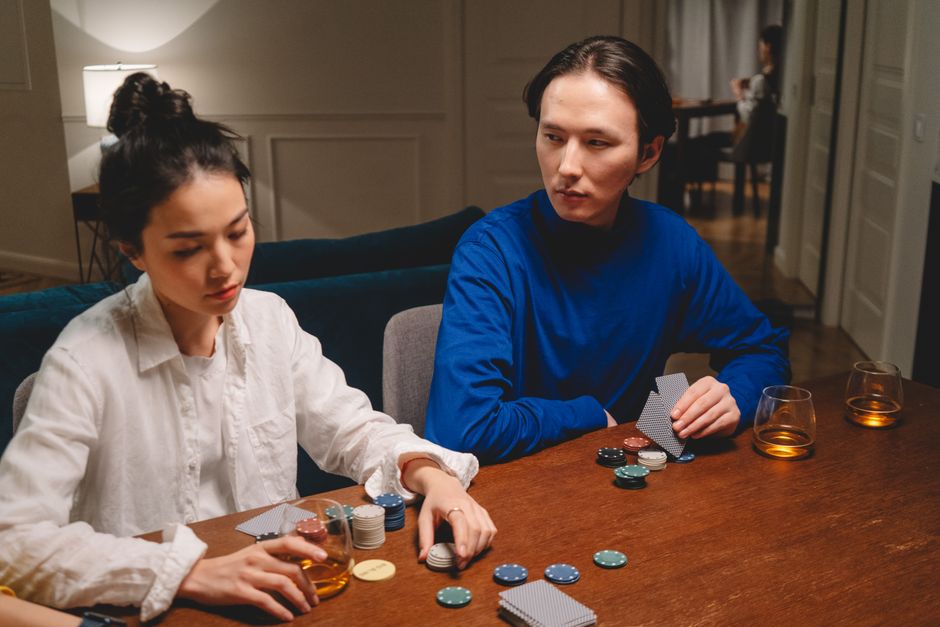
Poker is the odd one out in iGaming. It is not you against the house; it is you against other players, with the site taking a small rake from each pot. That means skill actually compounds. A disciplined player who studies ranges, pot odds and opponent tendencies can sustain a positive win rate over tens of thousands of hands.
That said, the modern online poker pool is tough. Recreational players still exist, especially at micro-stakes and in fast-fold formats, but the mid-stakes tables are populated by regulars running solvers and tracking software. If you are new, start at the lowest stakes, play tight, and focus on position and bet sizing rather than fancy bluffs. Bankroll management is non-negotiable: never buy into a cash game with more than 5% of your dedicated poker roll, and never buy into a tournament for more than 2%.
The iGaming industry is heavily regulated in most major markets, and that is good news for players. Licences from the UK Gambling Commission, the Malta Gaming Authority or the Gibraltar regulator come with real requirements around fair play, segregated player funds and dispute resolution.
Before depositing anywhere, check three things:
Bonuses deserve particular suspicion. A 100% match up to 200 pounds with a 40x wagering requirement on both deposit and bonus is very different from a 20x requirement on the bonus alone. Read the terms or expect to be surprised later.
Nobody is going to beat the casino at roulette over a lifetime, and pretending otherwise is how people lose money they cannot afford. But that is not really the point. iGaming works when players treat it as paid entertainment, set a budget before they log in, and pick games whose maths suits their bankroll and temperament. The person who plays 20 pounds a week on European roulette with a clear head is enjoying the same product as the person chasing a jackpot on a credit card. The difference is not luck. It is discipline, and it is the only edge that genuinely exists for the typical player.
In the hollow hills, a shared meal is a contract, and breaking bread with the wrong host can bind you for a hundred years.

In the far north, winter is not a season — it is a siege, and survival depends on preparation, community, and a very strict set of rules.
Peasant wards are not elegant, but they work, and that is why they have survived the rise and fall of three empires.

The most remembered rulers in the old chronicles are rarely the most powerful, and the reason says something about how history is written.

When sickness came, some towns barred their doors and vanished from history — leaving behind only empty streets and unanswered questions.

In the hollow hills, a shared meal is a contract, and breaking bread with the wrong host can bind you for a hundred years.
Copyright © 2026 Crown Hollow. All Rights Reserved.




Roseanne Williams
Sep 29, 2026 ReplyBefore the great kingdoms drew their borders, merchants with salt and silk were quietly building the roads that would outlast every crown.